The Pasadena Trade-Off Nobody Puts in the Listing
August 13, 2026
August 13, 2026
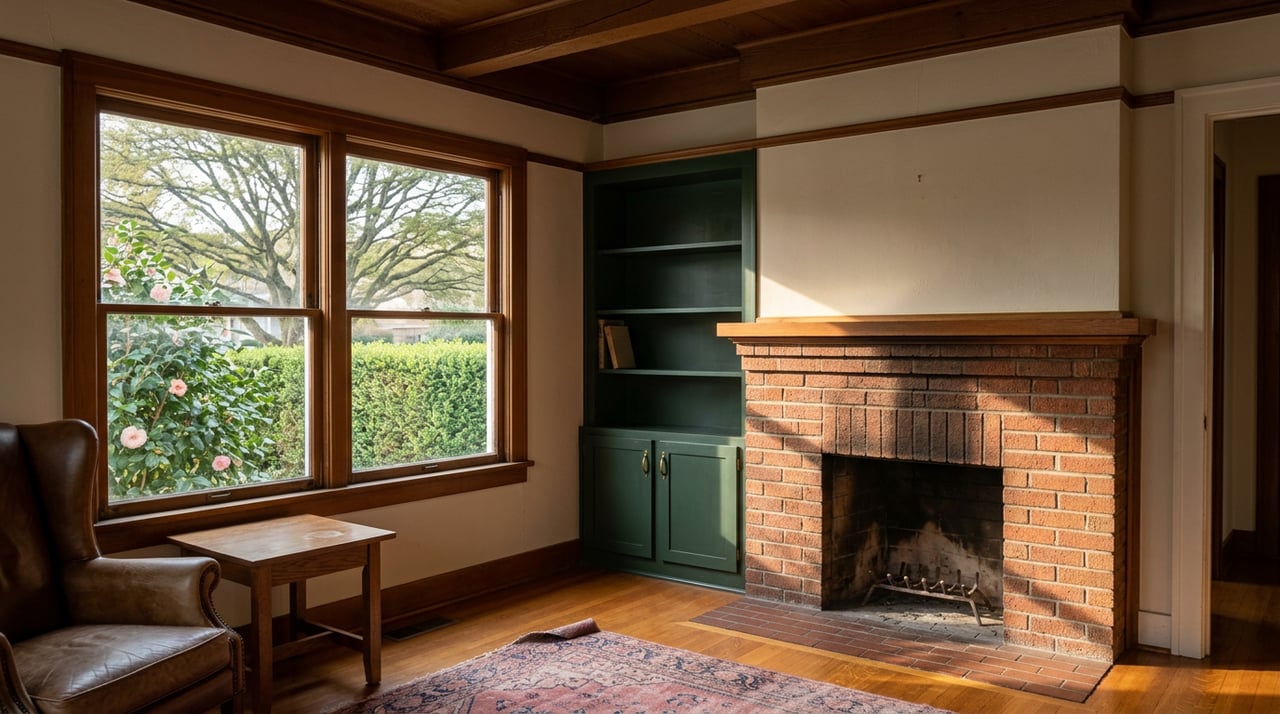
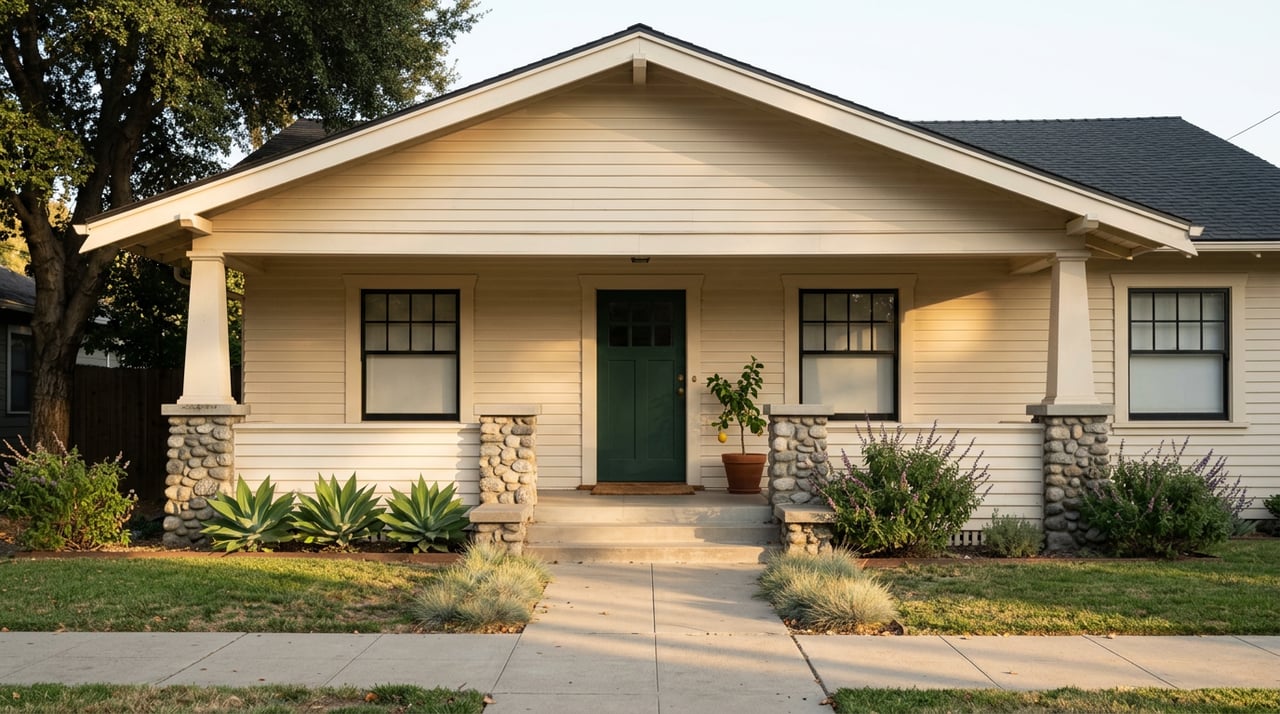
A buyer walks into a 1911 Craftsman in Bungalow Heaven and falls for the tongue-and-groove porch ceiling, the built-in bookcases, the wide front steps facing a canopy of mature trees. What the listing photos don't show is that swapping the porch railing, replacing a window, or building a fence taller than six feet will require a Certificate of Appropriateness from the City of Pasadena before any building permit gets issued. That's not a hypothetical. It's the standing rule for any property inside the Bungalow Heaven Landmark District, laid out plainly on the neighborhood association's own building requirements page.
That single fact says more about Pasadena's real estate market than any citywide median ever will. Pasadena isn't one market wearing one price tag. It's several distinct transaction structures stitched together under a single zip code, and the biggest variable buyers overlook isn't square footage or lot size. It's whether the pocket you're circling comes with a permitting overlay that changes how you renovate, how fast you can close, and what your property tax bill looks like five years from now.
Citywide figures give you a starting point and not much else. Zillow's home value index put the average Pasadena home at $1,213,522 as of June 30, 2026, down slightly over the past year. Movoto's July 2026 snapshot showed a median list price near $1.15 million, with price per square foot down about 3 percent year over year. Redfin's data for the three months ending May 2026 showed a median sale price around $1.2 million.
Those numbers cluster tightly, which makes them feel authoritative. They aren't wrong. They're just an average of markets that don't behave alike. That same citywide median blends South Lake condos trading in the mid-$600,000s with hillside properties near Linda Vista listing above $2.9 million. A buyer using the citywide median to budget is essentially averaging a studio condo with a hillside estate and calling it a plan.
Here's what that spread actually looks like on the ground:
| What defines it | Landmark or historic status | Transit access | |
|---|---|---|---|
| South Lake | Condo-heavy, walkable retail corridor along South Lake Avenue | Generally not landmarked | Lake Station, roughly 25-30 minutes to Downtown LA |
| Old Town | Walkable downtown along Colorado Boulevard between Pasadena Avenue and Arroyo Parkway | Mixed, some contributing properties | High walkability, close to several A Line stations |
| Madison Heights | Central, walkable to both Old Town and South Lake | Not yet a designated landmark district; a resident petition for future designation exists | Moderate, car-friendly |
| Bungalow Heaven | Compact grid of Craftsman bungalows between Lake and Allen, north of Orange Grove | City's first Landmark District (1989), National Register listing added in 2008 | About two miles from Lake Station |
| Hastings Ranch | Larger lots, mountain views, northeast Pasadena | Not landmarked | Car-dependent |
| Linda Vista / hillside estates | Larger, higher-end hillside properties | Case by case | Car-dependent |
The point isn't that one pocket is better. It's that "Pasadena" as a search term hides at least three different sets of rules for what happens after you close.
Pasadena has designated 47 individual landmarks and six historic districts, and more than 1,000 properties citywide sit in the National Register of Historic Places, either individually or as part of a district, according to the city's own historic preservation incentives page. If you're shopping in Bungalow Heaven, Garfield Heights, Banbury Oaks, or parts of Old Pasadena, there's a real chance the house you're touring falls under one of these designations, and that designation cuts both ways.
The upside is the Mills Act. Pasadena's Historic Property Contract Program lets owners of designated landmarks and contributing properties in a historic district enter a tax agreement with the city in exchange for maintaining the home's historic character. Past participants have saved between 20 and 75 percent on property taxes, with an average savings around 50 percent, per the city's incentives page linked above. On a Bungalow Heaven home priced in the $1.4 million range, which is roughly where the neighborhood's median has sat over the past year, that's not a rounding error. It's a meaningful ongoing reduction that changes the math on what the home actually costs to hold.
The friction shows up the moment you want to change anything visible from the street. According to the Bungalow Heaven Neighborhood Association's own guidance, a Certificate of Appropriateness and building permit are required to install a new door or window, alter a porch, replace or stucco over siding, build a driveway gate or front-yard fence, construct an addition, or change any exterior feature other than paint color. A building permit alone is required just to reroof or build a fence taller than six feet. The association's landmark FAQ is clear that the review only applies to what's visible from the public right of way. Interior work, paint colors, landscaping, and mechanical upgrades that aren't visible from the street are generally exempt.
That distinction matters for anyone budgeting a renovation. A kitchen remodel that stays inside the walls moves at a normal pace. A new front porch railing or a street-facing addition goes through design review first, and homeowners who've been through it describe the process adding real time, often measured in months, before a permit gets issued. None of this shows up in a Zillow listing or a Redfin comp sheet. It shows up the first time you call a contractor and hear "we'll need a COA for that."
Pasadena's other structural variable is the A Line. The Foothill Gold Line lists six stations inside city limits: Fillmore, Del Mar, Memorial Park, Lake, Allen, and Sierra Madre Villa, each with its own parking and bike access, per the Foothill Gold Line's own station guide. These stops matter more for condo buyers than for single-family shoppers, since Pasadena's condo inventory clusters around exactly these corridors, particularly South Lake and the blocks near Memorial Park and Del Mar.
Local condo market watchers have observed a meaningful price gap, often several hundred thousand dollars, between units within an easy walk of these stations and the broader Pasadena condo median. Whether or not you put a precise number on it, the underlying pattern holds across Los Angeles transit corridors generally: proximity within about a half mile, roughly a ten-minute walk, tends to carry the strongest pricing effect, with the benefit tapering off beyond that. If you're comparing two condos at similar square footage and one sits three blocks from Lake Station while the other sits a mile and a half away, don't expect the price tags to match just because the zip code does.
Here's the divergence that the citywide median completely papers over. In the first quarter of 2026, Pasadena's single-family home median landed at $1.4 million, down 5.1 percent year over year, according to quarterly market data compiled by PropertyShark. Over that same window, Pasadena condo prices held essentially flat year over year at $810,000.
That's not noise. Houses cooled while condos held their ground. For a first-time buyer watching both categories, that split changes the calculus. A softening single-family market might reward patience and negotiation. A stable condo market, especially one concentrated around a handful of transit-adjacent buildings, behaves more like a market where buyers are competing for a fixed and fairly inflexible supply. The citywide median blends both trends into one number that describes neither market accurately.
If you're weighing Bungalow Heaven against South Lake or Madison Heights, the price difference is the easy part to compare. The harder question is which trade-off you're willing to live with. A landmark district buys you a Mills Act tax reduction and a genuinely protected streetscape, in exchange for design review on anything visible from the sidewalk. A non-landmarked pocket like South Lake or Madison Heights buys you faster renovation timelines and more flexibility, in exchange for none of that tax incentive and, often, less architectural consistency block to block.
Transit access adds a third variable that doesn't map cleanly onto either of those categories. A condo near Del Mar Station can command a premium regardless of whether it sits inside a historic district, because the value driver there is the walk to the platform, not the age of the building.
Before you fall for a porch, ask whether the property sits inside a landmark district and what that means for both your tax bill and your renovation plan. Before you assume a low list price means a bargain, check whether it's a South Lake condo riding transit demand or a hillside estate that's simply out of step with the rest of the city's median. The number on the listing is a starting point. The pocket determines the rest of the story.
If you're comparing Pasadena neighborhoods and want a straight answer on what a specific address actually means for your renovation plans, your tax bill, or your commute, Shar Martinez can walk you through it property by property. Let's Connect.
Does landmark district status affect my ability to sell the home later? No. Designation is meant to protect the exterior character of the property and does not restrict use or sale, according to the city's own landmark district guidance.
Am I required to restore original features if I buy a landmark home? No. The city does not require owners to restore lost historic features or remove later additions simply because a home sits in a landmark district.
Can I remodel a kitchen or bathroom without city review? In most cases, yes. Interior alterations are generally exempt from historic district review, along with paint colors, landscaping, and exterior work that isn't visible from the public street.
Stay up to date on the latest real estate trends.

Whether you're purchasing your first home or preparing to list your property, Shar Martinez delivers responsive communication, thoughtful guidance, and market knowledge tailored to your goals. With a client-first approach and a growing reputation throughout the Foothills communities, she is committed to making every real estate experience seamless, strategic, and rewarding.