The Lot at Fryman Canyon Is Emptier Than Ever. The Streets Around It Aren't.
August 27, 2026
August 27, 2026
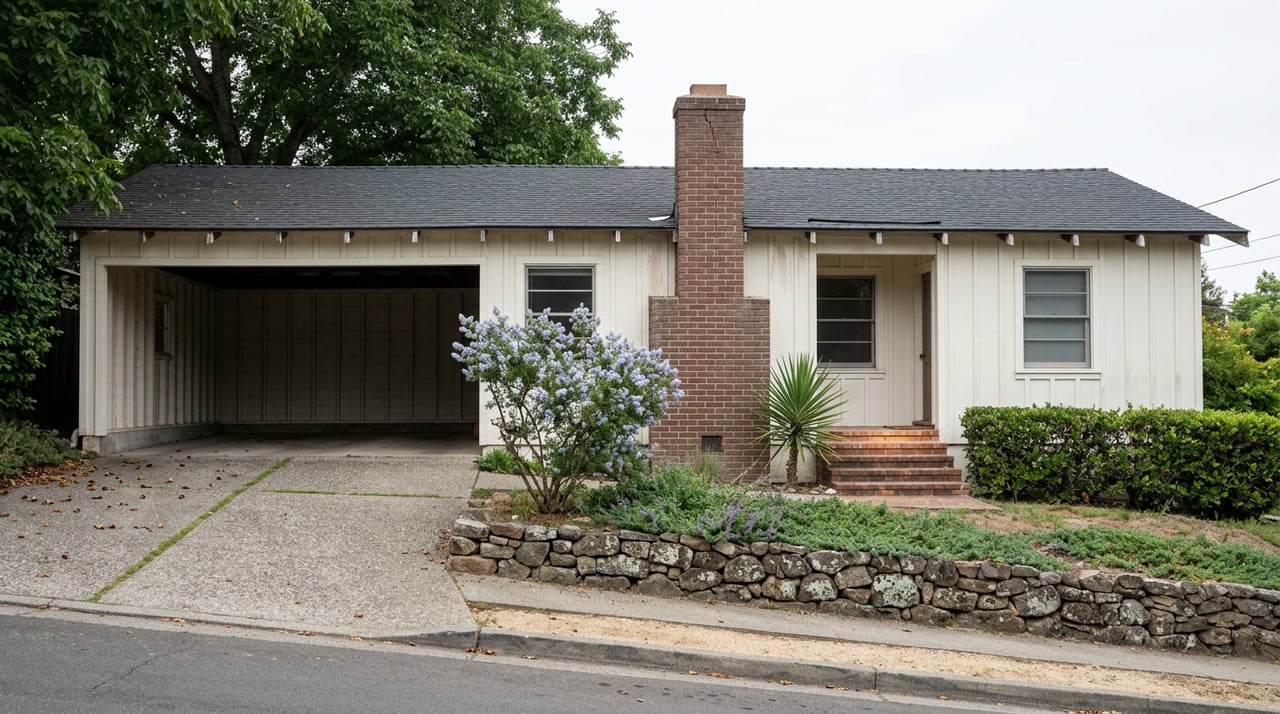
A regular at the Wilacre Park trailhead pulls up on a Saturday morning expecting to circle the lot twice before finding a spot, the way it's gone for years. Instead the lot is half empty. That should read as good news. It isn't, not for the houses on Laurel Lane and Sunshine Terrace, where the cars that used to fill the lot are now parked along the curb in front of driveways that don't belong to hikers.
That's the real story behind Fryman Canyon's new parking fee, and it's a different story than the one making the rounds on local news. The headline version is simple: parking used to be free, now it costs money, hikers are annoyed. The version that matters if you live near the trailhead is that a fee designed to manage demand at one location just pushed that demand one block over, onto residential streets that were never built to absorb it.
For roughly a decade, the parking lot at the base of the Betty B. Dearing Trail, inside Wilacre Park at 3431 Fryman Road, was free. That arrangement dated to 2014, when Los Angeles County subsidized the lot to keep it open at no cost. This spring, the county pulled that funding as part of broader budget cuts, and the Mountains Recreation and Conservation Authority, which manages the park, brought the fee back to cover maintenance.
The new rate is straightforward:
| Before 2026 | Since this spring | |
|---|---|---|
| Two-hour parking at the Wilacre lot | Free | $7 |
| Four-hour parking | Free | $14 |
| How you pay | Nothing required | Cash or card at a machine, printed ticket only |
That last line matters more than it sounds like it should. Neighbors near the trailhead have described lining up at the pay machine because it doesn't yet accept the kind of app-based payment most other city lots now use. A short wait to buy a parking ticket sounds like a minor inconvenience until you're the one standing in it on a Saturday morning, and it's part of why some hikers are opting to skip the machine and the lot altogether.
Local news crews visited the Wilacre lot in the weeks after the fee started and found it sitting mostly empty, a sharp change from a spot that used to fill within an hour of sunrise on weekends. One regular hiker called the sudden shift a real shock to the neighborhood, on top of what already felt like a lot of other rising costs.
The lot emptying out looks like the fee working as intended. What it actually shows is where the demand went instead. Neighbors living on the residential streets that feed into the trailhead, including Laurel Lane and Sunshine Terrace, say those blocks are now packed with the cars that used to park inside the lot for free. One resident described entire streets stacked with vehicles belonging to people unwilling to pay for two hours at the machine. Parking enforcement has responded by writing citations along those same blocks, which means the fee hasn't so much solved a parking problem as relocated it from a managed lot to unmanaged curbs in front of people's homes.
This is the piece of the story that a generic roundup of "what's new at Fryman Canyon" misses. The fee isn't really a hiker issue. It's a residential streets issue, and it lands hardest on the households nearest the trailhead who never asked to host overflow parking for a public trail.
Part of what makes the spillover so pronounced is the shape of the hike itself. The classic loop out of Wilacre Park runs about 2.7 miles up the Betty B. Dearing Trail, and the return leg drops hikers onto Iredell, a residential street, before delivering them back to the lot. Longtime users of the trail already know to keep voices down through that stretch out of respect for the people who live there. The parking fee adds a second point of friction to a route that was already threading through someone's neighborhood, not just through the canyon.
It also helps to know that Wilacre Park and Fryman Canyon Park are not the same 128-acre space, even though most people use the names interchangeably. The paid lot sits inside Wilacre Park at the Laurel Canyon and Fryman Road entrance. Fryman Canyon Park itself, along with its Nancy Hoover Pohl Overlook access point off Mulholland Drive, is a separate 122-acre parcel further along the same trail system. As of the most recent reporting, the fee applies specifically to the Wilacre lot, not to every entrance into this connected network of trails.
The Betty B. Dearing Trail doesn't dead-end at Wilacre. It connects across the ridge to Fryman Canyon Park, then to Coldwater Canyon Park, home to TreePeople's headquarters since 1977, and on to Franklin Canyon. For residents who'd rather not deal with the Wilacre lot at all, a few things are worth knowing:
None of these alternate entrances have been reported as charging a fee so far, though anyone relying on that should confirm current signage before assuming it'll stay that way. Rates and enforcement patterns on public land like this can shift with the next budget cycle.
If your house sits on or near Laurel Lane, Sunshine Terrace, or any of the residential streets feeding into the Wilacre lot, this isn't background noise. It's a change to how your block feels on a weekend morning, and it's worth knowing that the mechanism behind it is a county funding decision, not a neighborhood association vote or a city ordinance you could appeal. The Mountains Recreation and Conservation Authority sets the rate and can adjust it, which means the current $7 and $14 figures aren't guaranteed to hold. Confirming the posted price at the lot before assuming anything is still the right move, and residents who want a say in how the parking program is managed can weigh in through the MRCA's public board meetings.
For everyone else, the practical takeaway is simpler. If you're driving to hike Fryman, either budget for the fee and use the lot it's meant to fund, or plan your route through one of the other entrances into the same trail system. Either choice keeps the parking pressure where it's supposed to be instead of on somebody's front curb.
Fryman has stayed one of the friendliest popular trails in the city for a long time, precisely because hikers and the homeowners at the base of the canyon have kept that relationship easy. A parking fee doesn't have to change that, but only if the people using the trail treat the streets around it the way they'd want their own street treated.
If you're thinking about what a Fryman-adjacent address is actually like to live on day to day, or you're curious how changes like this tend to ripple through home values and livability in Studio City, Shar Martinez knows this stretch of the Valley block by block. Let's Connect.
Stay up to date on the latest real estate trends.

Whether you're purchasing your first home or preparing to list your property, Shar Martinez delivers responsive communication, thoughtful guidance, and market knowledge tailored to your goals. With a client-first approach and a growing reputation throughout the Foothills communities, she is committed to making every real estate experience seamless, strategic, and rewarding.